Opening routes into work for women leaving prison
For people leaving prison, finding work is only part of the challenge. Keeping it can depend on continued training, practical support and someone who believes in their future. At Stratford Gateway Construction Skills Centre, run by Elite Project Services on Hadley's IQL North site, those needs are being addressed together.
By Lisa Jones, Placemaking, Events & Consultation Advisor, Hadley Property Group
The centre opened in March 2023, and between 2024 and 2025 Elite trained more than 800 learners. It now delivers construction and rail training across 11 prisons, with routes into real employment, and supports around six more with advice, guidance and help after release. So far this year it has created 39 Release on Temporary Licence placements for learners in Category D prisons, which let people in open conditions work outside before they are released.
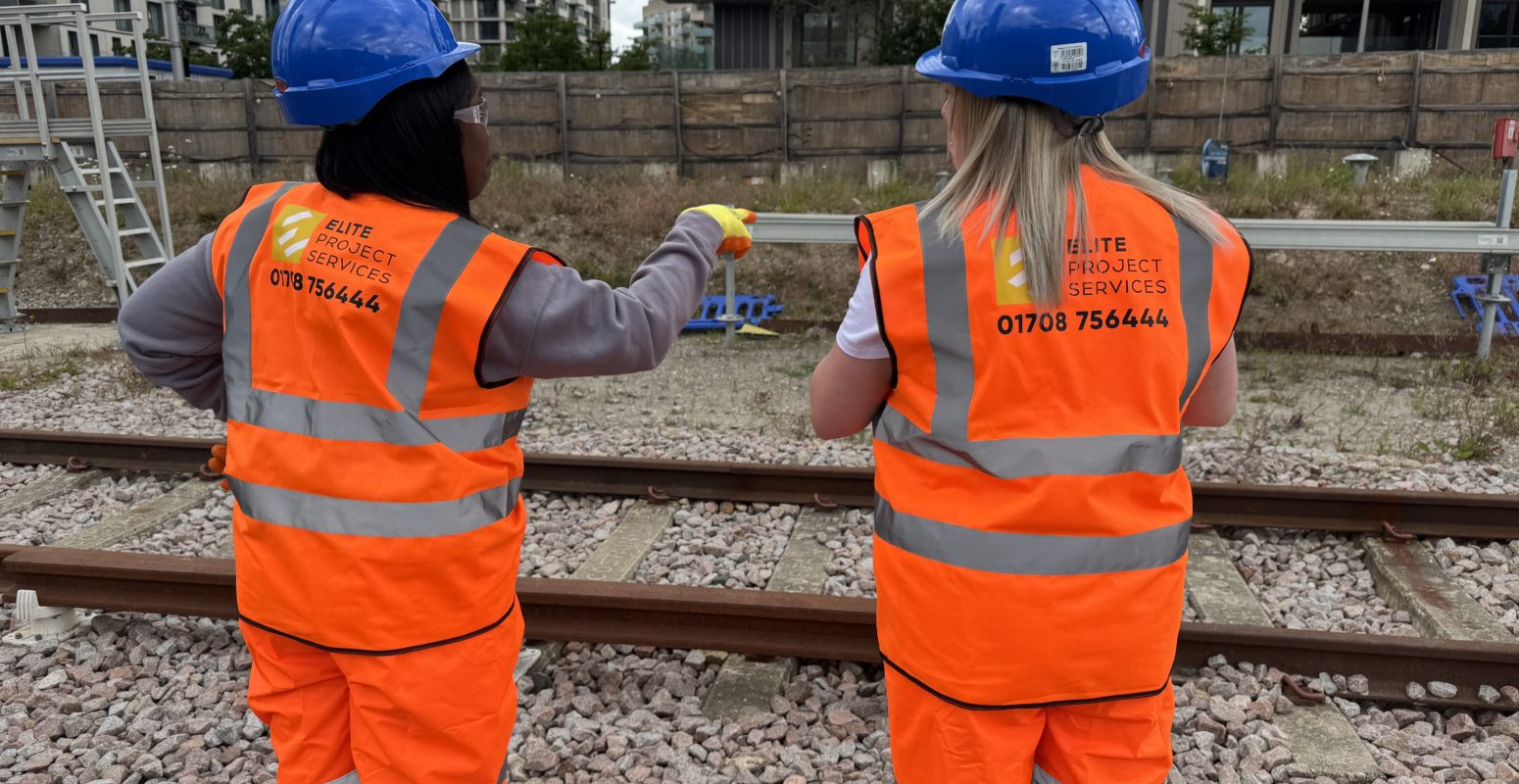
Stratford Gateway sits alongside Elite's centres in Merton and Brentwood, and its value lies in continuity. It lets Elite stay in touch with people long after release, offering the stability, mentorship and practical training needed to find work and keep it. It is also where the final stages of the Personal Track Safety qualification are completed. Full accreditation can't be achieved in closed conditions, so learners begin their training inside and finish it in Stratford. They complete their drug and alcohol medical, their e-learning modules and a live track walk with Elite alongside them throughout.
Those are strong figures for any training provider, but they can't show what the training is for. Some of the most interesting work is with women, who make up less than 20% of the rail workforce. For many women in the prison system, rail has never been on the radar.
Training in female prisons has traditionally centred on hair, beauty and childcare, which are valuable but limited. Elite saw a chance to widen that, and 23 of this year's 39 placements have gone to women. Justin Wong, Elite's Head of Prisons and Social Value, explains why it matters:
"It is much more complex for women. Men can often go straight to work. Women have so much more to contend with: childcare, mental health, trauma, past experiences. That cycle of short sentences, in and out, does not help anyone. What they need is consistent, reliable support and someone who genuinely believes in them."
Martin Dunn and his team come at this work from experience. Their view is that a conviction doesn't have to decide what happens next. Given proper training, support and a realistic way into employment, people leaving custody can build new skills and make different choices. It is a simple belief, and it only holds if the way into employment is real. Amela's story shows what that looks like.
Amela served 16 months at HMP Send after being convicted of conspiracy to supply Class A and Class B drugs. She is open about what led her there. The motive was financial. She was under pressure herself, and she wanted to help her brothers, who were struggling with debt. She has looked back on those decisions honestly and without excuses.
She now works three days a week for Elite, supporting the team with administration and finance. She came into the role with a positive attitude and a real willingness to learn, which has made all the difference. She has become a valued part of the wider team.
This job gives her a sense of purpose and a route to financial independence, along with workplace experience she can take anywhere. It also gives her proof, for herself as much as anyone else, that what comes next doesn't have to resemble what came before. In her words:
"I have learned that working and earning money legitimately is a much better way to support myself and my family. I want to build something positive for my future."
Rehabilitation rarely depends on one thing. Stability, skills, confidence, a job and continued support all play a part, and they work best when they arrive together. Amela's move from HMP Send into a role with EPS shows what becomes possible when someone is offered a position and trusted to grow into it.
I want to be clear about our part in this, because it is a small one. Like much of what is on the site, Stratford Gateway wasn't something we designed. Elite brought the expertise, purpose, the relationships with prisons and the patient, individual support that every learner needs. What we had was space. For a small organisation, finding somewhere to operate is often the first obstacle, and a landowner can remove it. I would encourage other owners of sites in waiting to think about that.
When we talk about meanwhile use, the conversation usually turns to footfall, events and the buzz around a place, and we pay attention to all of that. But some of the most valuable things happen out of sight. A learner with no rail qualification starts to see a future that includes one. A woman who has left prison finds her feet in an office. These outcomes arrive quietly, and they tend to last longer than a busy weekend.